America spins on Westmag
Not Boring's deep dive on Westmag shows how a single invested-founder essay can do more pipeline work than a dozen cold decks.
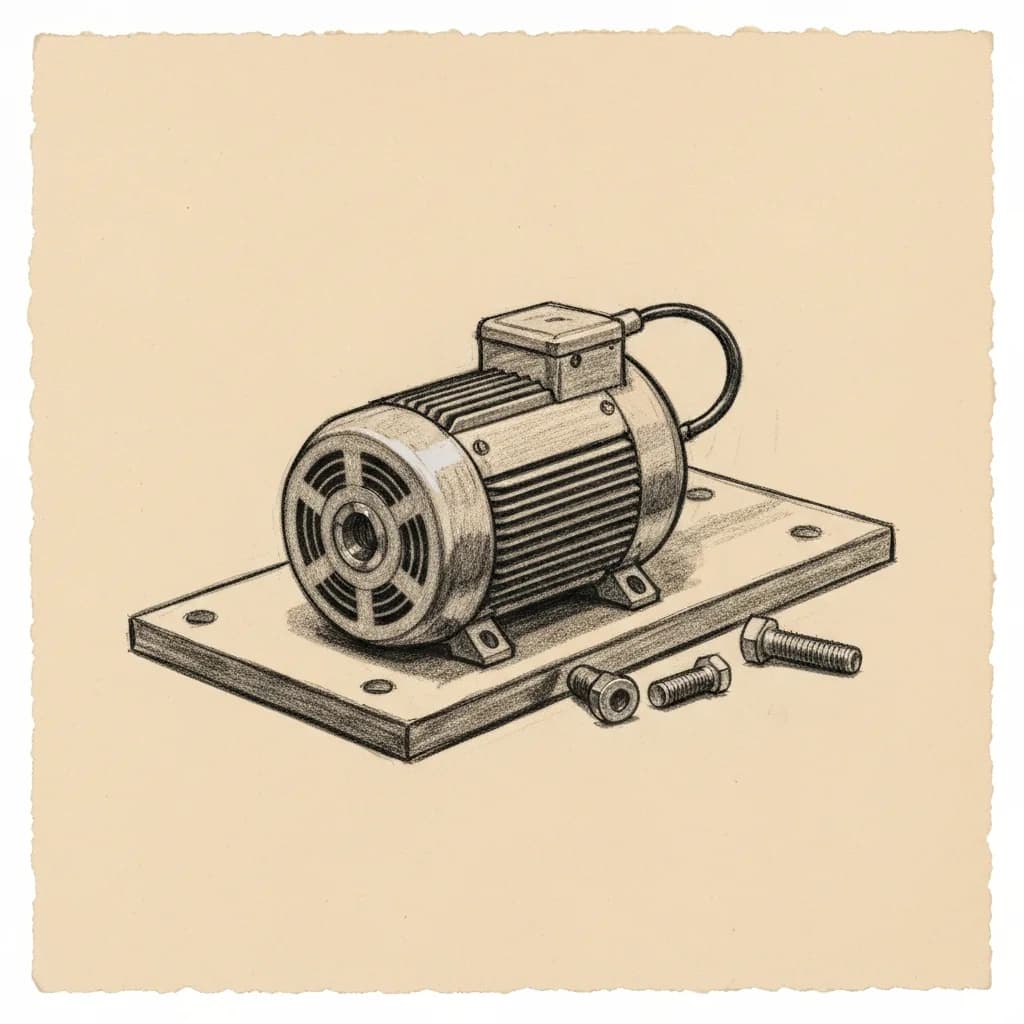
Packy McCormick at Not Boring published a deep dive called "America Spins on Westmag" this week, covering a South San Francisco startup building American-made motors and actuators for drones and robots. McCormick is also an investor in Westmag. That combination, writer plus investor plus genuinely interesting industrial story, is worth pulling apart. There is a playbook inside this piece that operators building inbound should study carefully.
The Westmag essay works because it collapses the distance between investment thesis, company narrative, and reader education into one piece. McCormick writes as an insider with skin in the game, which makes the analysis feel earned rather than promotional. The structural move is simple: lead with a concrete scene (a building in South San Francisco, a hat he is wearing), explain the macro stake (America's electric revolution), and then make the reader feel they are getting a private briefing. Operators can mirror this structure whether they are writing about a client win, a market they are watching, or a bet they have made.
Why this essay format converts readers into believers
The Not Boring format has been consistent for years: title that sounds like a slogan, scene-setting opening paragraph, market context, company deep dive. What makes the Westmag piece work is that McCormick earns each transition.
He opens with a hat. Not the company's technology, not a revenue figure, not a funding announcement. A hat that co-founder David Hansen pulled off his own head and handed over. In one sentence McCormick signals: I know these people, I am already inside, and the product is real enough to hold.
From the hat he moves to the thesis: motors and actuators, made in America, for a world of drones and robots. The macro case is built fast. He does not pretend the mission is obvious, he addresses the skepticism directly ("it isn't self-evident that we need Western motors") before dismantling it. That move, anticipating the counterargument before the reader can form it, is what separates content that builds trust from content that reads like a pitch.

The mirror mechanic: what operators can copy
The signup mechanic for this kind of essay is what we call a mirror. The reader sees their own situation reflected back at them before they even realize they are being pitched.
McCormick does not start with "here is why you should care about motors." He starts with a world the reader already imagines: drone-decorated skies, robots doing chores, the electric revolution as backdrop. By the time he gets to Westmag, the company is solving a problem the reader has already accepted as real.
Operators building inbound on LinkedIn use the same structure when it works. The posts that generate real comment threads across the profiles we audit are not the ones that open with the product. They are the ones that open with the world the buyer already lives in, state a tension the buyer has already felt, and then bring in the insight or solution as the resolution.
If you want to see this mechanic applied to LinkedIn specifically, our breakdown of Justin Welsh's strategy and the viral LinkedIn posts patterns piece both map how the best performers on the platform build that same reader-first architecture at the post level.
The investor-writer position is a cheat code
McCormick holds a position most operators do not have: he invested in Westmag before writing about it. That means he has board-level access to the story, real stakes that make his enthusiasm credible, and a reason to go deep that readers can verify.
Most operators will not have that exact setup. But the underlying principle transfers. The founders and consultants who generate the most inbound on LinkedIn are not the ones broadcasting their services. They are the ones writing from positions of genuine stakes, whether that is a deal they just closed, a pattern they noticed across their last ten clients, or a bet they are making on a technology or market.
The piece works because McCormick's investment is disclosed and obvious. His credibility does not come from being neutral. It comes from being specifically positioned, and being honest about it.
What the industrial angle tells us about audience segmentation
Not Boring's audience skews toward tech investors, operators, and curious generalists. Westmag's actual customers are drone manufacturers and robotics companies. The essay is not a sales document for those customers. It is a signal to investors, potential hires, and the broader ecosystem that Westmag is a serious company with a serious backer willing to stake his newsletter reputation on it.
That gap between essay audience and customer audience is intentional. The pipeline work happening here is one step removed. McCormick is not trying to sell motors to drone companies through a Substack. He is building the ambient credibility that makes Westmag easier to sell, hire for, and fund.
Operators miss this. They write LinkedIn content aimed directly at their buyer, trying to explain their service to the person who needs it. The better approach is to write for the layer adjacent to your buyer: people who influence the buyer, people who might refer the buyer, people who will eventually become the buyer. The conversion happens later, downstream, because the credibility was built upstream.
The scene as proof
McCormick drives out to South San Francisco. Past the "Stop Hiring Humans" billboards. Into the industrial part. Finds the building.
That physical journey, described in two sentences, does more persuasive work than a page of market analysis. The reader knows he was there. That specificity is what separates a reported piece from a summary. The same logic applies to LinkedIn content: "we worked with a founder who had 40 products and zero profitable ones" hits harder than "many founders struggle with product focus."
Across the profiles we audit, the posts with the highest genuine engagement rates are almost always built on a specific scene, a specific number, a specific client moment. Not Boring has been proving this at newsletter scale for years. Westmag is a clean example of it in action.
The hat as a closing image
McCormick tells us he is wearing the hat Westmag gave him. He says it will be a collector's item in a decade or two. That is a bet made in public, timestamped, and attached to his name.
That kind of public commitment is what distinguishes long-form content that compounds over time from content that spikes and disappears. The operators generating durable inbound on LinkedIn make similar bets: they take a public position on where a market is going, back it with their own reputation, and let that position accrue value as the world proves them right or wrong.
The bet does not have to be about motors. It has to be specific, falsifiable, and yours. Vague content about "the importance of authenticity" decays immediately. A specific call on where enterprise sales cycles are heading in your industry, made with your name on it, compounds.
If you are building your LinkedIn presence around a genuine point of view on your market, the founder-led brands LinkedIn inbound piece lays out how the mechanics work at scale. The Not Boring model and the LinkedIn engagement model share more DNA than they might appear to at first glance.
Frequently asked
The format works because it combines insider access (McCormick invested in Westmag), genuine stakes, and a reader-first architecture. The essay opens with a concrete scene rather than a product pitch, builds macro context the reader already cares about, and uses specificity, a building in South San Francisco, a hat, a physical visit, to signal authenticity. Operators can mirror this structure by writing from positions of real stakes and genuine experience rather than neutral summaries.